
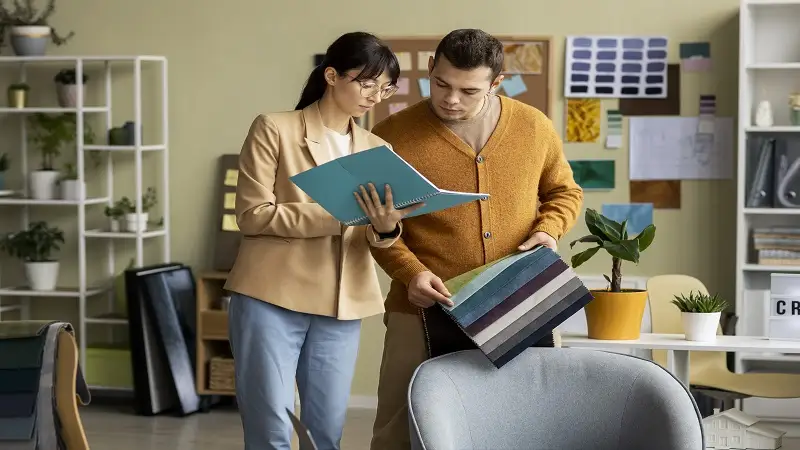
Upgrading a home does not always require a complete renovation. Small changes in furniture, lighting, colors, storage, and decoration can make rooms feel more comfortable and attractive. Decoradhouse upgrade tips by decoratoradvice fits into the broader idea of improving living spaces through practical design choices that combine appearance with everyday functionality.
A successful home upgrade usually starts with understanding what needs to change. Some rooms may need better organization, while others may benefit from updated colors, furniture, or lighting. Planning these improvements before buying anything can help homeowners create a more balanced and useful space.
Start With a Simple Home Assessment
Before making changes, walk through each room and identify what works and what does not. Look at furniture placement, available storage, lighting, wall colors, and areas that feel crowded or empty.
This simple assessment can prevent unnecessary purchases. Instead of replacing everything, homeowners may discover that moving furniture, removing clutter, or changing a few decorative elements can create a noticeable improvement.
It is also helpful to decide which areas need attention first. Focusing on one room at a time makes an upgrade project easier to manage.
Improve the Lighting
Lighting has a major effect on how a room looks and feels. A space with limited natural light can appear smaller, while good lighting can make the same room feel brighter and more welcoming.
Use a combination of general, task, and decorative lighting where appropriate. Table lamps can provide focused light, while ceiling fixtures can illuminate larger areas. Floor lamps are another useful option for corners that need additional brightness.
Natural light should also be used effectively. Keeping windows clear and choosing suitable curtains can allow more daylight into the room.
Choose Colors Carefully
Changing wall colors can completely alter the appearance of a room. Light and neutral shades can make smaller spaces feel more open, while deeper colors can add warmth and character.
The best color choice depends on the room’s size, lighting, furniture, and intended atmosphere. Instead of selecting colors based only on trends, homeowners should consider whether they will remain comfortable with the choice over time.
Accent walls can also introduce personality without requiring every wall to be repainted. A carefully selected color or textured finish can become an interesting focal point.
Rearrange Furniture
Furniture does not always need to be replaced to improve a room. Rearranging existing pieces can create better movement and make the space feel more organized.
Avoid placing too much furniture in one area. Leave enough open space for people to walk comfortably between important parts of the room.
The position of larger furniture should also consider windows, doors, television screens, and natural light. A practical arrangement can improve both appearance and everyday usability.
Add Better Storage
Storage is one of the most useful upgrades for any home. Clutter can make even a beautifully decorated room feel uncomfortable.
Shelves, baskets, cabinets, storage benches, and organizers can help keep everyday items under control. In smaller homes, furniture with built-in storage can be especially useful because it serves two purposes.
Storage should also be easy to access. If frequently used items are difficult to reach, people are more likely to leave them in random places.
Update Decorative Elements
Small decorative changes can give a room a fresh appearance without a major investment. Cushions, rugs, curtains, artwork, mirrors, and decorative objects can all contribute to the overall design.
The key is balance. Too many decorative items can make a room feel crowded, while too few can make it appear unfinished.
Choose pieces that work with the existing colors and furniture. A few carefully selected items can often have a greater effect than filling every available surface.
Use Mirrors Strategically
Mirrors can be useful in both decorative and practical ways. They reflect light and can create the impression of additional space, making them particularly helpful in smaller rooms.
A mirror placed near a source of natural light can help distribute brightness across the room. Large mirrors can also become statement pieces when positioned carefully.
However, placement matters. A mirror should ideally reflect something visually appealing rather than a cluttered area.
Upgrade the Outdoor Space
Home improvements do not have to stop at the front door. Balconies, patios, gardens, and small outdoor areas can also benefit from simple upgrades.
Outdoor seating, plants, lighting, and weather-resistant decorations can turn an unused area into a comfortable place for relaxing. Even a small balcony can feel more inviting with a few carefully selected pieces.
Plants can also bring natural color into outdoor spaces and create a stronger connection between indoor and outdoor areas.
Focus on Function as Well as Style
A common mistake in decorating is focusing only on appearance. A room may look attractive in photographs but still be uncomfortable or difficult to use.
Every upgrade should therefore consider functionality. Furniture should be comfortable, storage should be practical, and walking areas should remain clear.
This balance between style and function is central to effective home design. A successful space should look good while also supporting the daily activities of the people who live there.
Plan a Realistic Budget
Home upgrades can become expensive when there is no clear budget. Before starting a project, decide how much money can reasonably be spent and prioritize the most important improvements.
Not every upgrade needs to happen at once. Some projects can be completed gradually as funds become available.
Comparing prices and choosing durable products can also help control costs. Spending more on an item that will be used frequently may sometimes be more practical than repeatedly replacing cheaper alternatives.
Decoradhouse Upgrade Tips by Decoratoradvice for a Better Home
Decoradhouse upgrade tips by Decoratoradvice can be connected with the broader principle of making thoughtful improvements rather than simply following every decorating trend. A successful upgrade should reflect the homeowner’s lifestyle, available space, budget, and personal taste.
Simple improvements such as better lighting, organized storage, thoughtful furniture placement, and carefully selected decorations can make a meaningful difference. These changes can also be completed gradually without turning every project into a major renovation.
Conclusion
Improving a home is often about making thoughtful choices rather than spending a large amount of money. Better lighting, organized storage, suitable colors, practical furniture arrangements, and simple decorations can refresh a space while making it easier to use.
Decoradhouse upgrade tips by decoratoradvice represent this practical approach to home improvement, where design and functionality work together. By planning carefully and focusing on the changes that matter most, homeowners can create spaces that are comfortable, attractive, and suited to everyday life. For more details, visit Homedecorzone!