
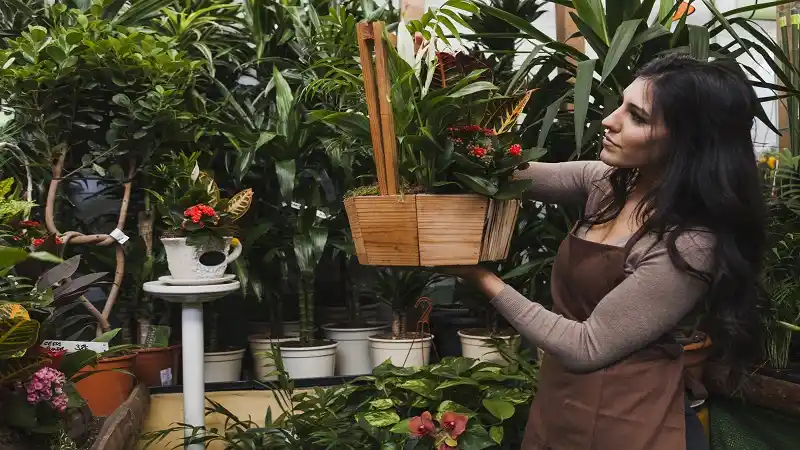
Creating an attractive garden is about more than simply planting flowers and adding decorative elements. A well-designed outdoor space should be practical, comfortable, and suitable for the environment where it is located. For homeowners looking for ideas, decoradhouse garden tips by decoratoradvice can provide inspiration for thinking about garden layout, plant selection, decoration, and everyday maintenance.
Whether the space is a large backyard, a small courtyard, or a simple balcony garden, thoughtful planning can make a noticeable difference. The right combination of plants, furniture, lighting, and decorative features can turn an ordinary outdoor area into a relaxing place to spend time.
Start With the Garden Layout
Before buying plants or decorations, consider how the available space will be used. A garden may serve several purposes, such as relaxing, entertaining guests, growing plants, or providing an attractive view from inside the house.
Creating simple zones can make a garden easier to organize. One area might contain seating, another could be dedicated to plants, while a small section could be used for walking or storage.
Paths can also improve the layout. They provide a clear route through the garden while separating different planting areas. Even a small garden can benefit from thoughtful positioning of furniture and plants.
Choose Plants for Your Environment
Plant selection is one of the most important parts of successful gardening. Different plants have different requirements for sunlight, water, soil, and temperature.
Before purchasing plants, observe how much sunlight different areas of the garden receive throughout the day. Some plants grow best in full sunlight, while others prefer partial shade.
Local climate should also influence plant choices. Selecting plants that naturally perform well in the local environment can reduce maintenance and improve the chances of healthy growth.
It is also useful to consider how large a plant will eventually become. A small plant may look appropriate when purchased but could become too large for its location after several years.
Create a Balanced Planting Design
A visually appealing garden usually contains some variation in height, texture, and form. Instead of placing every plant at the same level, combine ground-cover plants with medium-sized flowers and taller shrubs where appropriate.
Repeating certain plants or colors can create visual consistency. However, too much repetition can make a garden look predictable.
A balanced design can include evergreen plants for structure, seasonal flowers for color, and decorative plants for texture. The goal is to create an outdoor space that remains interesting throughout different seasons.
Make Small Gardens Feel Larger
Limited space does not mean a garden cannot look impressive. Small gardens can appear more spacious when their design is kept organized.
Using vertical space is one effective technique. Wall planters, climbing plants, hanging containers, and vertical gardening systems can add greenery without taking up much floor space.
Light-colored surfaces can also help create an open feeling. Mirrors or carefully positioned reflective elements may make a small outdoor area appear deeper, although they should be used thoughtfully.
Keeping pathways clear and avoiding too many large decorative objects can also make a compact garden feel less crowded.
Add Comfortable Outdoor Seating
A garden becomes more useful when it provides a comfortable place to sit. Depending on the available space, this could be a small bench, two chairs, or a larger outdoor seating arrangement.
Furniture should be chosen according to the garden’s size and weather conditions. Outdoor furniture that can withstand sunlight and moisture will generally require less replacement and maintenance.
Comfort can be improved with cushions and outdoor fabrics, but these should be stored appropriately when weather conditions could damage them.
Positioning is equally important. A seating area under natural shade can be comfortable during warmer weather, while a location with a pleasant garden view can make the space more enjoyable.
Use Lighting to Improve the Atmosphere
Garden lighting can change the appearance of an outdoor space after sunset. It can also improve visibility around paths, entrances, and seating areas.
Solar lights are a convenient option for certain locations because they do not require complicated wiring. String lights can create a relaxed atmosphere around seating areas, while spotlights can highlight trees, plants, walls, or architectural features.
Lighting should generally be subtle rather than overwhelming. A few carefully positioned lights can often produce a better result than illuminating every part of the garden.
Decorate Without Overcrowding
Decorative elements can add personality to a garden, but too many objects can make the space look cluttered.
Simple features such as planters, stones, sculptures, water features, or decorative containers can create visual interest. Choose pieces that complement the existing style of the house and garden.
It can be useful to select a consistent material or design theme. For example, natural wood, stone, or neutral-colored containers can create a calm appearance.
The garden should remain functional, so decoration should not block pathways or make plant maintenance difficult.
Focus on Soil and Watering
Beautiful garden design depends on healthy plants, and healthy plants depend heavily on proper soil and watering.
Different plants have different watering requirements. Overwatering can be just as harmful as underwatering because excessive moisture may damage roots and encourage certain plant diseases.
Improving soil with suitable organic matter can help support plant growth. Mulching can also help retain moisture, reduce weed growth, and protect soil from temperature changes.
Instead of watering automatically every day, check the soil and consider the weather conditions. Plants generally need different amounts of water depending on temperature, rainfall, and their stage of growth.
Keep Maintenance Practical
A garden should be enjoyable rather than becoming a constant source of work. When designing an outdoor space, consider how much time can realistically be spent maintaining it.
Low-maintenance plants can be useful for busy homeowners. Grouping plants with similar water and sunlight requirements can also simplify care.
Regular tasks such as removing dead leaves, trimming overgrown plants, controlling weeds, and checking for pests can prevent small problems from becoming more serious.
Planning for maintenance from the beginning can make the garden easier to manage over time.
Refresh the Garden With the Seasons
A garden does not need to remain the same throughout the year. Seasonal changes can provide opportunities to introduce new colors and textures.
Spring may be ideal for colorful flowers, while summer can emphasize greenery and outdoor seating. Autumn can bring warm foliage colors, and winter planting can focus more on evergreen structure.
Rotating containers or seasonal decorations can also refresh the appearance without requiring major changes to the entire garden.
Final Thoughts
A successful garden combines thoughtful design with practical maintenance. The best outdoor spaces are not necessarily the largest or most expensive. They are spaces where plants, furniture, lighting, and decorative features work together.
By considering the garden’s layout, local environment, available space, and maintenance requirements, homeowners can create an outdoor area that is both attractive and functional. Simple improvements such as better plant selection, comfortable seating, subtle lighting, and organized planting can make a significant difference.
Most importantly, garden design should reflect the needs and personality of the people who use the space. With careful planning and regular care, even a modest outdoor area can become a comfortable and visually appealing part of the home. Read more on Homedecorzone!