
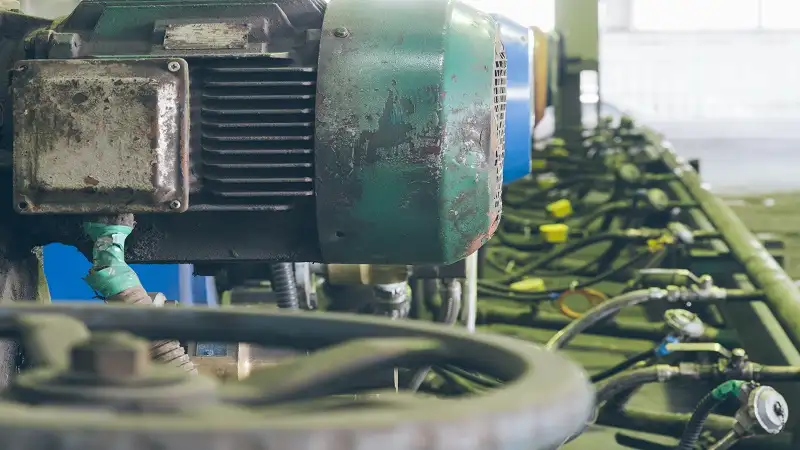
A mud pump is an essential piece of equipment used in industries where liquids mixed with solids need to be moved efficiently. It is commonly used in construction, mining, oil drilling, and agriculture. This type of pump is designed to handle thick fluids like slurry, mud, and other heavy mixtures that ordinary pumps cannot manage. Understanding how it works and where it is used can help you choose the right equipment for your needs.
What Is a Mud Pump
A mud pump is a mechanical device used to circulate fluid that contains solids. These fluids are usually dense and abrasive, which makes them difficult to move using standard pumping systems. The pump creates pressure that pushes the mud through pipes or hoses to the desired location.
In many applications, the mud serves a specific purpose. For example, in drilling operations, it helps cool the drill bit, remove debris, and maintain pressure in the system. This makes the pump a critical component in such operations.
How a Mud Pump Works
The working principle of a mud pump is based on creating pressure to move fluid. It uses a piston or plunger mechanism to push the mud through the system. When the piston moves back, it draws fluid into the chamber. When it moves forward, it forces the fluid out at high pressure.
This continuous motion ensures a steady flow of mud. The pump is designed to handle high pressure and resist wear caused by abrasive materials. Its strong construction allows it to operate efficiently even in harsh conditions.
Types of Mud Pumps
There are different types of mud pumps available, each designed for specific applications.
Piston Pump
This type uses a piston to move the fluid. It is commonly used in high pressure applications and offers reliable performance.
Plunger Pump
A plunger pump is similar to a piston pump but is designed for higher pressure and more demanding tasks. It is often used in industrial settings.
Centrifugal Pump
This type uses a rotating impeller to move fluid. It is suitable for low pressure applications and is often used for transferring large volumes of mud.
Diaphragm Pump
This pump uses a flexible diaphragm to move fluid. It is useful for handling corrosive or sensitive materials.
Key Components
A mud pump consists of several important parts that work together to ensure smooth operation.
Pump Housing
The housing contains all the internal components and protects them from external damage.
Piston or Plunger
This component is responsible for creating pressure and moving the fluid.
Valves
Valves control the direction of fluid flow and prevent backflow.
Power Source
The pump is powered by an engine or motor, which provides the energy needed for operation.
Suction and Discharge Lines
These lines allow the fluid to enter and exit the pump system.
Benefits of Using a Mud Pump
There are many advantages to using this type of pump in various industries.
Handles Thick Fluids
It is specifically designed to move dense and abrasive materials that other pumps cannot handle.
High Efficiency
The pump provides consistent performance, even under heavy loads.
Durable Construction
It is built to withstand harsh conditions and long hours of operation.
Versatile Applications
It can be used in multiple industries, making it a flexible solution for different needs.
Common Applications
A mud pump is used in a wide range of activities.
In oil drilling, it circulates drilling fluid to cool and lubricate the drill bit. In construction, it helps remove slurry and water from sites. In mining, it is used to transport waste materials. In agriculture, it can be used for irrigation and handling waste.
Its ability to handle tough materials makes it valuable in these fields.
How to Choose the Right Pump
Selecting the right equipment depends on several factors.
Type of Material
Consider the thickness and composition of the fluid you need to move.
Pressure Requirements
Different applications require different pressure levels. Choose a pump that meets your needs.
Flow Rate
The amount of fluid you need to move will determine the size and capacity of the pump.
Durability
Look for strong materials that can handle wear and tear over time.
Installation Basics
Installing a mud pump requires proper planning and setup. The pump should be placed on a stable surface. All connections must be secure to prevent leaks. The suction and discharge lines should be properly aligned.
After installation, the system should be tested to ensure it is working correctly. Proper setup improves efficiency and reduces the risk of problems.
Maintenance Tips
Regular maintenance is important for keeping the pump in good condition.
Clean the pump after use to remove any buildup. Check the valves and seals regularly. Lubricate moving parts to reduce friction. Replace worn components as needed.
Proper care helps extend the life of the equipment and ensures reliable performance.
Safety Considerations
Safety is important when working with heavy machinery.
Always follow the manufacturer’s guidelines. Wear protective gear when operating the pump. Keep hands and clothing away from moving parts. Regularly inspect the system for any issues.
Following these precautions helps prevent accidents and ensures safe operation.
Limitations
While this equipment is highly effective, it does have some limitations.
It can be heavy and difficult to move. It may require regular maintenance due to wear from abrasive materials. It can also consume a significant amount of power.
Understanding these limitations helps you use the equipment more effectively.
Environmental Impact
Using such equipment responsibly is important.
Avoid spilling fluids into the environment. Dispose of waste materials properly. Use energy efficient systems when possible. Following these practices helps reduce environmental impact.
Conclusion
A mud pump is a powerful and reliable tool for moving thick and abrasive fluids in various industries. Its strong design, efficiency, and versatility make it an essential piece of equipment for many applications. By understanding its features, types, and maintenance requirements, users can ensure optimal performance and long term reliability. See more!